Reviewing the Physician Icon Vector for Embroidery
As a designer who spends half my life digitizing artwork and the other half watching needles punch through fabric, I have learned that not every graphic translates well to thread. We often browse marketplaces looking for the perfect machine embroidery design, hoping it will elevate our next handmade product. Recently, I evaluated the Physician Icon Vector Male Person to see if this specific glyph pictogram holds up under the scrutiny of real-world stitching. This is not just a digital asset; it is a potential centerpiece for custom apparel, medical-themed gifts, and professional branding.
First Impressions: Simplicity Meets Symbolism
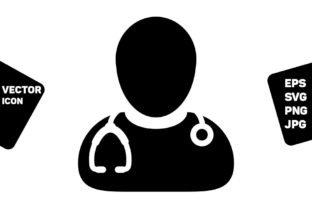
The first thing that strikes you about the Physician Icon Vector Male Person is its clarity. In the world of Icons and Graphics, less is often more, especially when dealing with embroidery. The design features a male profile avatar with a stethoscope, rendered in a clean, glyph-style illustration. There are no unnecessary flourishes or overly complex gradients that would confuse an embroidery machine. The mood is professional, trustworthy, and calm—exactly what you want when creating items for healthcare workers or medical enthusiasts.
From a layout perspective, the silhouette is balanced. The stethoscope acts as a natural focal point, breaking up the negative space of the profile. For an embroidery designer, this is promising. It suggests that the design can be scaled down for a pocket logo or scaled up for a statement back piece without losing its identity. The visual personality is modern and minimal, fitting seamlessly into contemporary design assets collections.
Real-World Application: The Medical Tote Bag Test
To truly understand the value of this file, I imagined a specific project: a durable canvas tote bag for a nursing student. This is a common request for Etsy sellers and small shop product creators. The goal is to create something functional yet personalized. The Physician Icon Vector Male Person fits this brief perfectly. Because it is a vector-based concept, the lines are smooth, which translates well into satin stitches or dense fill stitches depending on the desired texture.
When visualizing this on a tote bag, the icon’s simplicity ensures it remains legible even from a distance. A busy design might get lost in the weave of heavy canvas, but this glyph pictogram stands out. It creates an immediate association with medical consultation and care. For a personalized gift, adding the recipient’s name in a complementary sans-serif font below the icon would create a cohesive, high-end look. This approach works equally well for sweatshirt embroidery, where the soft texture of fleece requires designs that are not too dense to avoid puckering.
Versatility Across Product Lines
Beyond tote bags, this design has significant potential in various embroidery project categories. Consider baby embroidery for a newborn gift set. A smaller version of this icon, stitched in soft pastels rather than traditional medical blues, could adorn a onesie or a burp cloth. It signals health and care without being clinical. Similarly, for holiday embroidery projects, such as Christmas ornaments for hospital staff appreciation, the icon serves as a recognizable badge of honor.
For those running a craft business, versatility is key. This icon can be adapted into an embroidered patch for scrub caps or lab coats. Patches require bold outlines and clear separation between elements, which this design inherently possesses. It also works well for commercial embroidery clients who need uniform branding for clinics or private practices. The professional aesthetic builds customer trust and reinforces brand consistency.
Technical Considerations for Stitching
While the design is strong visually, practical execution requires attention to detail. Since the source files include PNG, SVG, EPS, and JPG formats, it is crucial to note that these are primarily web and UI design formats. If you are purchasing this as a ready-to-stitch digital embroidery file, ensure you have the correct machine-compatible format (such as PES, DST, or JEF). If you are digitizing it yourself from the vector sources, pay close attention to stitch density.
The profile shape involves curves. When converting these curves to stitches, use a combination of running stitch for underlay and satin stitch for the edges to maintain crispness. Avoid excessive fill stitch in the center of the face unless you want a heavy, textured look, which might distort thin fabrics. For caps and curved surfaces, keep the design narrow to prevent wrapping issues. The stethoscope detail is small; ensure it is large enough to be stitched clearly, or simplify it into a single line if scaling down significantly.
Fabric and Stabilizer Choices
The success of the Physician Icon Vector Male Person depends heavily on your material choices. On textured fabrics like terry cloth towels, the fine details might get lost. In such cases, increase the stitch count slightly or use a thicker thread to enhance visibility. For stretchy fabric like jersey knits used in t-shirts, a cut-away stabilizer is non-negotiable to prevent the design from warping after washing.
Dark fabrics present another challenge. If stitching a white or light-colored icon on navy scrubs, ensure your digitizing includes a solid underlay to prevent the dark fabric from showing through the stitches. Testing on scrap fabric is essential. Check thread colors for contrast. While medical themes often use blue and white, experimenting with teal, grey, or even metallic threads can add a unique touch for boutique products.
Enhancing Product Value and Buyer Engagement
Using a well-chosen icon like this elevates the perceived value of your finished product. Customers are drawn to clarity and professionalism. A messy or overly complicated design can look amateurish, but a clean glyph pictogram suggests quality. This is particularly important for printable mockup previews in your online store. A sharp, clean icon photographs well and looks attractive in digital listings, driving higher buyer engagement.
For apparel decorators and creative entrepreneurs, this design offers a quick turnaround time. Simple designs stitch faster, allowing you to produce more units in less time. This efficiency is vital for meeting deadlines during peak seasons like graduation or Nurse Week. Furthermore, because the design is gender-specific (male person), it fills a niche in the market where female nurse icons are more common, offering inclusivity and broader appeal.
Final Verdict and Practical Advice
The Physician Icon Vector Male Person is a solid choice for designers looking to expand their medical-themed portfolio. Its strength lies in its simplicity and symbolic power. However, always verify the licensing terms before selling commercial embroidery items. Ensure you have the right to use the graphic for physical goods if you are digitizing it from a web-focused package.
- Test the design on various fabric texture types before committing to a final product.
- Adjust hoop size placement carefully, especially for left-chest logos on shirts.
- Inspect small details like the stethoscope earpieces to ensure they do not become tangled knots.
- Compare light and dark fabric backgrounds to determine the best thread color combinations.
- Confirm that the final embroidery file is optimized for your specific machine model.
In conclusion, this icon is more than just a digital image; it is a versatile tool for creating meaningful, professional, and sellable embroidered goods. With careful digitizing and thoughtful material selection, it can become a staple in your small business merchandise lineup.