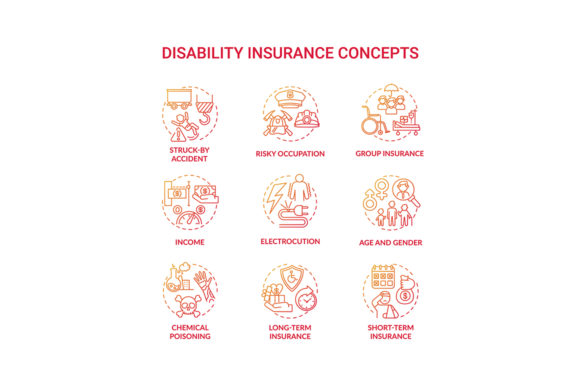
Reviewing the Disability Insurance Concept Icons Set
As a designer who spends half my life digitizing and the other half stitching, I have learned that not every graphic translates well to thread. We often see Icons and Graphics marketed for crafters that look stunning on a screen but turn into a tangled mess under the needle. Recently, I evaluated the Disability Insurance Concept Icons Set to determine its viability for real-world embroidery projects. This is not just a theoretical review; it is an assessment of how these vector isolated outline drawings perform when subjected to the physical realities of fabric, tension, and thread.
First Impressions: Clarity Over Complexity
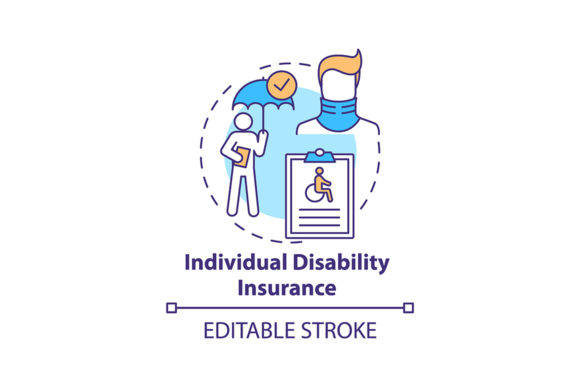
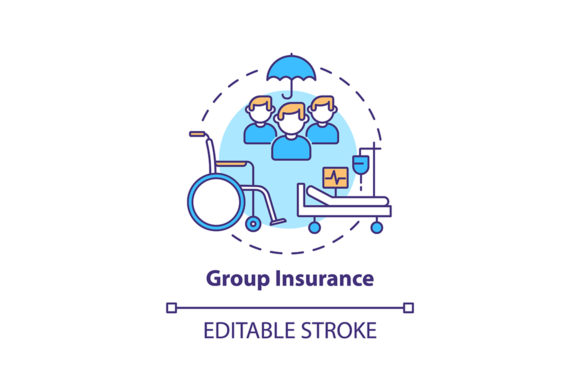
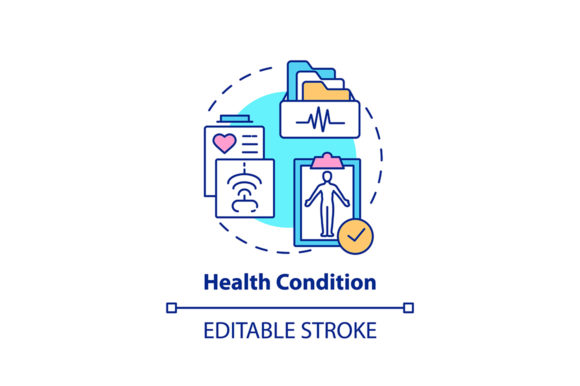
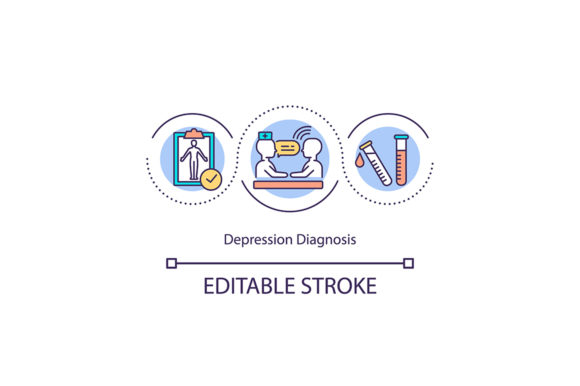
The first thing that strikes you about this set is its restraint. In an industry cluttered with overly dense designs, these thin line RGB color illustrations offer a breath of fresh air. The mood is professional, clean, and accessible. For embroidery, this is crucial. The concept covers short and long insurance variety, age and gender representations, medical help, and income ideas. These are abstract concepts, yet the designer has managed to ground them in recognizable imagery.
From a technical standpoint, the "thin line" aesthetic suggests a reliance on running stitches or very narrow satin stitches. This is generally good news for stitch count management, but it raises questions about visibility. When I opened the files, I looked immediately for structural integrity. Are the lines too close together? Will they merge during stitching? The isolation of each element in the ZIP file allows for precise placement, which is essential when working with limited hoop space.
The Real-World Test: A Custom Tote Bag Project
To truly understand the value of this machine embroidery design, I applied it to a common commercial project: a custom canvas tote bag for a local financial planning workshop. The goal was to create a subtle, professional branded item that attendees would actually use. I selected three icons from the set: a medical cross variant, a shield representing protection, and a stylized figure representing age diversity.
Stitching these onto heavy cotton canvas required careful attention to stabilizer choice. Because the designs are outline-based, a cut-away stabilizer provided the necessary support without adding bulk. The result was crisp. The running stitch paths followed the vectors cleanly, creating a modern, sketch-like appearance that felt intentional rather than incomplete. This is where the Disability Insurance Concept Icons Set shines—it bridges the gap between corporate branding and handmade charm.
Versatility Across Apparel and Home Goods
Beyond totes, I considered how these design assets would perform on other substrates. For sweatshirt embroidery, the thin lines work beautifully on fleece if you use a topping to prevent the stitches from sinking into the nap. However, I would caution against using the smallest details on highly textured fabrics like terry cloth towels, where the nuance of the line might get lost.
For custom apparel such as polo shirts or button-downs, these icons are ideal for left-chest placements. They are small enough to be unobtrusive yet detailed enough to convey meaning. If you are an Etsy seller looking to expand into niche markets, these graphics could be powerful for creating personalized gifts for healthcare workers or insurance agents. Imagine a high-quality apron for a medical professional featuring a subtle medical help icon from this set. It elevates the handmade product from a generic craft to a specialized tool.
Considerations for Challenging Surfaces
While the set is versatile, it is not without limitations. Embroidering on curved surfaces, such as caps, requires extra vigilance. The hoop size constraints mean you must scale the icons carefully. If you shrink them too much, the gaps between the thin lines may close up, causing thread breaks or bird nests. I recommend testing the smallest icon in the set on a scrap piece of twill before committing to a final cap project.
Additionally, when working with dark fabrics, the single-color outline approach relies heavily on thread colors for contrast. A white thread on black fabric works, but ensure your machine’s tension is perfectly balanced. Any looping will be immediately visible on such minimalist designs. For stretchy fabrics, a strong stabilizer is non-negotiable to prevent distortion of the vector shapes.
Commercial Viability and Brand Trust
For small shop products and boutique branding, consistency is key. This set provides a cohesive visual language. Using multiple icons from the same family on different items—such as a pillow cover for a waiting room or a blanket for a corporate gift—creates a professional narrative. Customers trust designs that look deliberate. The clean lines of the Disability Insurance Concept Icons Set communicate reliability and care, which aligns perfectly with the insurance and medical themes.
If you are creating printable mockups for your online store, these vector-based origins mean they scale without pixelation, allowing you to present high-resolution previews to clients. This enhances buyer engagement and reduces hesitation in purchasing custom items.
Practical Notes for the Embroidery Designer
Before you purchase or begin stitching, there are several practical steps you must take. Since the product description mentions a ZIP file containing vector isolated outline drawings, you need to confirm the specific embroidery file formats included. Do they offer DST, PES, or JEF? Ensure compatibility with your machine before starting a client project.
- Test on Scrap Fabric: Always run a test stitch-out on the actual fabric you intend to use. Check for puckering or thread breaks.
- Check Stitch Density: While described as thin line, verify the density settings. If it is too sparse, it may look cheap; if too dense, it may stiffen the fabric.
- Contrast is King: These designs rely on silhouette. Ensure your thread color contrasts sharply with the fabric texture and color.
- Licensing Verification: Confirm the license terms. Can you use these for commercial embroidery projects? Can you sell the finished product? Never assume; always read the included documentation.
- Scale Appropriately: Do not exceed the recommended hoop size limits. Keep the design proportional to the garment area.
Final Verdict
The Disability Insurance Concept Icons Set is a thoughtful collection for designers who value precision and professionalism. It is not a flashy, fill-heavy design meant to dazzle with volume. Instead, it is a functional, elegant tool for creating meaningful finished products. Whether you are decorating a tote bag design for a conference, adding a detail to a baby embroidery project for a special needs family, or branding uniforms for a care facility, these icons hold up under scrutiny.
For the craft business owner, this set offers a unique niche. It moves beyond typical floral or novelty designs into the realm of professional services and personal care. With proper technique and attention to fabric choice, these Graphics can elevate your portfolio, demonstrating that you can handle complex, sensitive themes with grace and technical skill. Just remember to respect the simplicity of the lines—they require perfect execution to shine.